Moochdocking do’s and don’ts are essential knowledge for any RVer looking to enjoy free camping on private property. This guide provides a comprehensive overview of moochdocking etiquette, ensuring a positive experience for you and your host. We’ll cover everything from initial communication to expressing gratitude, helping you navigate the nuances of this unique RVing practice.
The Dos of Moochdocking: Being a Model-Guest
Being a model guest is the key to successful moochdocking. These “dos” will help you build strong relationships with your hosts and ensure you’re welcome back.
- Do: Ask permission well in advance. Don’t assume parking your RV on someone’s driveway is okay. If you want to ask someone to host you, give them plenty of notice.
- Do: Be clear about your RV’s size and needs. Let them know the dimensions of your RV, whether it’s a motorhome, travel trailer, or something else. Mention if you need a 30-amp or 50-amp electrical connection, access to water, or a sewer hookup.
- Do: Discuss the length of your stay. Be upfront about how long you plan to park your rv. Don’t overstay your welcome.
- Do: Offer to help with chores or contribute financially. It’s a great way to visit friends and family, but offering to help out around the house or contributing to expenses shows appreciation.
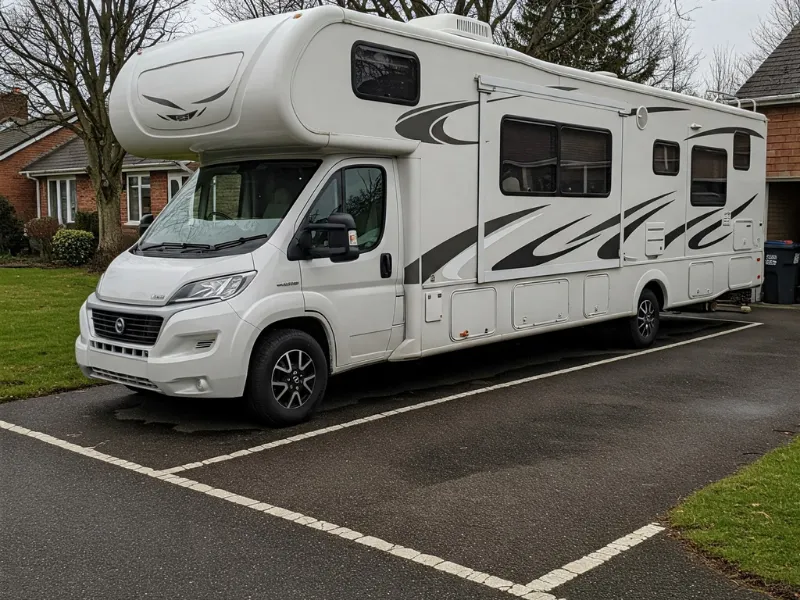
- Do: Respect property boundaries. Park your RV in the designated parking space and don’t wander onto other parts of their property. Be aware of any overhangs or other obstacles when parking an RV.
- Do: Be mindful of noise levels. Avoid excessive noise, especially late at night or early in the morning. Consider your host and their neighbors. A quiet neighborhood is ideal for moochdocking.
- Do: Conserve resources (water, electricity). Be mindful of water usage and electricity. Don’t run too many appliances in your RV simultaneously, as you may flip a breaker in their home. Conserving water is also essential.
- Do: Dispose of waste properly. Never dump gray water or black water on your host’s property. If needed, plan to arrive with empty tanks and find a local dump station. Be sure to follow local ordinances regarding wastewater disposal. You’ll also want to keep a close eye on ordinances regarding trash disposal.
- Do: Express sincere gratitude. A thank-you note, a small gift, or an offer to help at the end of your stay is a thoughtful gesture. It’s a great way to visit people you care about.
Communicating Effectively with Your Host
Clear communication is essential. Discuss your plans, needs, and any potential issues upfront. Ask your host about their preferences and rules. It’s a good idea to let them know when you plan to arrive and depart.
Respecting Boundaries and Privacy
Respecting your host’s property and privacy is paramount. Treat their property as you would your own. Don’t assume you can use amenities without asking.
The Don’ts of Moochdocking: Avoiding Common Pitfalls
These “don’ts” will help you avoid common moochdocking mistakes and ensure a smooth experience.
- Don’t: Assume anything. Always ask permission before parking your RV on someone’s driveway. Don’t assume you can use their power and water without asking.
- Don’t: Overstay your welcome. Stick to the agreed-upon length of stay. If you’re wondering about extending your stay, ask your host well in advance.
- Don’t: Treat the property like a campground. Moochdocking is different from staying at a campground. It’s not a designated campsite. Be respectful of your host’s property.
- Don’t: Use amenities without asking. Always ask before using their outdoor grill, laundry facilities, or other amenities.
- Don’t Bring uninvited guests. Ask your host before inviting others to join you.
- Don’t: Make excessive noise. Be mindful of noise levels, incredibly late at night or early in the morning.
- Don’t: Leave trash or waste behind. Always clean up after yourself and dispose of trash properly.
- Don’t: Forget to thank your host. A simple thank you can go a long way.
Dealing with Unexpected Situations
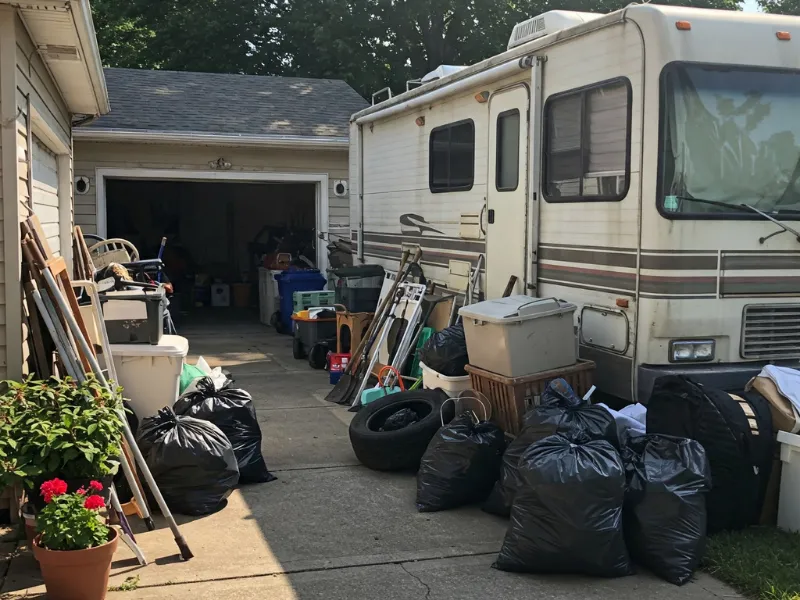
Unexpected situations can arise. If you need to extend your stay, ask your host. If you experience RV issues, communicate with them openly.
When Moochdocking Isn’t a Good Fit
Moochdocking might not be suitable for all situations. If your RV is too large for the property or if your host has limitations, it’s best to consider other options. HOAs may also have ordinances regarding parking an RV on the street or in someone’s driveway.
Moochdocking Etiquette: A Deeper Dive
Good moochdocking etiquette goes beyond the basics. It’s about being a good neighbor and building positive relationships. Being a mindful mooch means being aware of local ordinances and HOA rules. It also means being respectful of the quiet neighborhood.
Understanding the Nuances of Driveway Surfing
Driveway surfing is similar to moochdocking but often implies a more casual arrangement. Even in these situations, clear communication and respect are essential.
Moochdocking vs. Boondocking: Etiquette Considerations
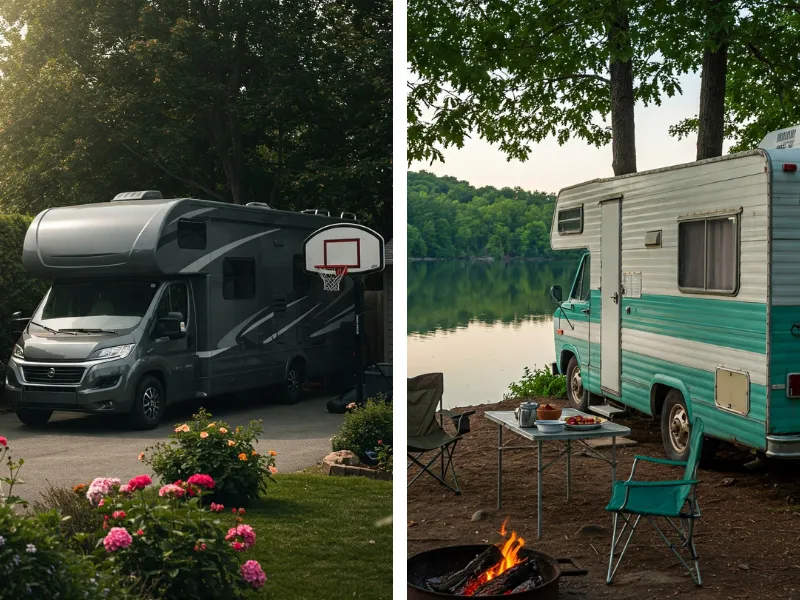
Moochdocking etiquette focuses on respecting your host and their property. Boondocking etiquette centers on respecting public lands and practicing Leave No Trace principles.
Moochdocking and RV Parks: A Complementary Approach
Moochdocking and RV parks can work together. Moochdocking is convenient for short visits with family and friends, while RV parks offer amenities for extended stays. You may consider staying at a campground for a few days to dump your tanks and continue your moochdocking trip.

Tips for a Successful Moochdocking Experience
Arrive prepared with the necessary supplies, be flexible with your plans, and always communicate openly with your host.
Offer to help out around the house. Plan to arrive with empty black and gray water tanks. Bring a drinking water hose and any adapters you need for the electrical connection.
Ask your host if they have a sewer hookup or if you’ll need to find a local dump station. You’ll also want to ask if they have a 15-amp, 30-amp, or 50-amp outlet available.
Remember to pack any necessary adapters for the electrical power. Be sure to let them know when you plan to arrive and when you plan to leave. At the end of your stay, thank your host for letting you use their property.

Conclusion
Moochdocking do’s and don’ts are essential guidelines for responsible RVing. By following these tips, you can enjoy the benefits of free camping while building positive relationships with your hosts. Being a considerate guest will likely invite you back for future moochdocking adventures.